 5 Star Service
Galvanised pipes are steel water pipes coated in zinc, common in Kurri Kurri homes built before the 1960s. As the coating wears away, they corrode from the inside, leading to rusty water, low pressure, and an increasing risk of leaks or bursts.
Kurri Kurri was purpose-built as a coal-mining town in 1902, and many of its original miners’ cottages still have early-generation plumbing. BDP Plumbing inspects and replaces ageing pipework across the Hunter Valley. This guide covers how to spot galvanised pipes, the risks they carry, and what replacement costs.
Why So Many Kurri Kurri Homes Still Have Original Pipes
Kurri Kurri was laid out on Crown land in 1902 to house workers from the Stanford Merthyr and Pelaw Main collieries, making it one of the earliest fully planned mining towns in Australia.
Homes built during that boom period and through the following decades of peak coal production were fitted with galvanised steel pipework, the standard water-supply material of the era.
Hunter Water confirms the drinking water it delivers to the Lower Hunter meets the Australian Drinking Water Guidelines before it ever reaches your property, a standard NSW Health also oversees through its ongoing agreement with Hunter Water.
That means when a Kurri Kurri home has rusty or discoloured water, the source is almost always the ageing pipework inside the property itself, not the water supply. Galvanised pipes typically last 40 to 50 years before corrosion becomes a genuine problem, and many Kurri Kurri homes are now well past that mark.
Signs Your Kurri Kurri Home May Still Have Galvanised Pipes
A handful of everyday symptoms point to old galvanised pipework, and noticing more than one is a strong signal it’s time for an inspection.
- Rusty or discoloured water. Brown, orange, or yellow-tinged water, especially the first burst from a tap that’s been off for a while, is one of the clearest signs of internal corrosion.
- Falling water pressure. As rust and mineral scale narrow the pipe’s interior, showers and taps gradually lose pressure, often without homeowners noticing until it’s quite severe.
- A metallic taste or smell. Corroding steel can affect the taste of drinking water well before any visible discolouration appears.
- Frequent small leaks. Pinhole leaks appearing in different spots around the house, rather than a single isolated leak, usually mean the whole system is corroding, not just one bad section.
- A home built before the 1960s with no record of repiping. If your Kurri Kurri property dates to the mining era and hasn’t had a full plumbing upgrade, galvanised pipe is the most likely material still in use.
How to Confirm the Pipe Material Yourself
Before calling a plumber, there are a few simple checks that can tell you a lot about what’s running through your walls.
Check at the Water Meter
Find the point where the main water line enters your home, usually near the water meter or main shut-off valve. This is often the easiest place to see an exposed, unpainted length of pipe.
Try the Scratch Test
Gently scratch the surface of the pipe with a key or screwdriver. A dull, silvery-grey colour underneath indicates galvanised steel, while a reddish-brown colour indicates copper.
Try the Magnet Test
Press a fridge magnet against the pipe. Galvanised steel is magnetic, and the magnet will stick firmly, while copper and PVC pipes won’t hold a magnet at all.
Know When to Stop and Call a Plumber
If your pipes run behind walls, under the slab, or in areas you can’t safely access, these DIY checks won’t help. A licensed plumber can confirm pipe material and condition without opening up your home.
What Affects the Cost of Galvanised Pipe Replacement in Kurri Kurri
Repiping cost depends on the scope of the job and how your home is laid out, and understanding these factors helps you read a quote accurately.
- Partial versus whole-house repipe. Replacing one corroded section costs far less than repiping the entire home, but a partial job only delays the inevitable if the rest of the system is the same age.
- Access and construction type. Homes with accessible subfloor or roof space are quicker and cheaper to repipe than slab-on-ground miners’ cottages, where pipework often runs through walls or under concrete.
- Number of fixtures and bathrooms. More outlets mean more pipe runs, fittings, and labour hours.
- Material chosen for the new system. Copper and PEX are the two most common replacements, with PEX typically faster and cheaper to install and copper offering a longer track record in Australian homes.
- Compliance and permit requirements. All repiping work in NSW must be carried out by a licensed plumber and may require a Notice of Work and a compliance certificate, both of which are included in a proper quote.
| Job Type | Typical Cost Range |
| Single section replacement | $300 to $900 |
| Partial repipe (bathroom or kitchen) | $2,000 to $5,000 |
| Full house repipe | $8,000 to $20,000+ |
More: Pipes Making Noise When Water Is Turned Off? Causes and Fixes
When to Call a Licensed Plumber
Confirming pipe material is one thing, but deciding what to do next needs a proper professional assessment, and this is where a licensed plumber earns their fee.
What I Actually Do When I Assess Your Pipes
Over a decade of servicing homes across Kurri Kurri and the wider Hunter Valley has shown me that a structured assessment identifies the right course of action every time. I start by checking the accessible pipework at the meter and under the house, then test the water pressure at multiple points to assess the extent of corrosion.
From there, I map out which sections need attention and whether a partial or full residential plumbing upgrade makes more sense for your budget and home layout. You get a diagnosis and a fixed-price quote before any work begins.
Full Repipe vs Partial Replacement
A partial replacement makes sense when corrosion is isolated to one section, and the rest of the system still tests well. Once multiple sections are failing, or the home has reached the 40- to 50-year mark across the board, a full repipe is almost always the more cost-effective long-term option, since it avoids paying for repeated emergency call-outs on a system that’s failing everywhere at once.
Why Kurri Kurri’s Mining-Era Homes Are Especially at Risk
Here is what I commonly find by era and location across the towns that grew up around the South Maitland coalfields.
- Kurri Kurri’s 1902 town plan. Kurri Kurri was fully planned before construction began to house workers from the Stanford Merthyr and Pelaw Main collieries, meaning entire streets of housing were built during the same narrow window, using the same pipe materials.
- Abermain’s heritage housing stock. Abermain grew up around its own colliery from 1903 and still carries a genuine mix of heritage cottages alongside newer homes, with the older stock most likely to retain original pipework.
- Heddon Greta’s mix of eras. Heddon Greta combines older mining-era homes with newer developments, so pipe condition varies significantly street to street depending on when each section was built.
- Aberdare’s coalfield origins. Like its neighbouring towns, Aberdare developed alongside the South Maitland coalfields boom, giving it a similar concentration of homes old enough to still be running original galvanised supply lines.
- Shared plumbing era across the district. These towns were all built and serviced within a similar timeframe, so a galvanised pipe issue found in one Kurri Kurri street is a genuine early warning for neighbouring properties of the same age.
Protecting Your Home While You Plan for Replacement
Even if a full replacement isn’t in the budget right now, a few habits can help manage the risk as you plan ahead.
Flush Pipes After Time Away
If your home has been empty for more than a day or two, run cold taps for a minute before use. Water that’s sat still in corroding pipes picks up more sediment and metallic taste than water that’s flowing regularly.
Watch for the Early Warning Combo
Falling pressure combined with any discolouration is the clearest early signal that corrosion has progressed. Catching this combination early gives you more time to plan a repipe on your own schedule rather than during an emergency.
Get Water Tested If You’re Concerned
According to the Australian Drinking Water Guidelines, lead can leach from ageing plumbing components even where the town water supply itself is safe. A simple water test can confirm whether your household’s internal pipework is affecting water quality.
Book a Professional Assessment Early
The best time to assess galvanised pipework is before a leak forces the issue. BDP Plumbing offers pipe condition assessments as part of routine plumbing health checks for homes in Kurri Kurri.
Nathan Manthey summed up his experience simply: “We’ve used BDP Plumbing multiple times now, and each experience has been fantastic. Blake’s communication is clear, he’s always prompt, and the quality of his work is excellent. They’re now our go-to plumbers, and we wouldn’t hesitate to recommend them for any plumbing needs!” Nathan Manthey. That kind of consistency is exactly what you want when tackling a job as significant as a home repipe.
More: Why Is My Shower Water Pressure Low? Here’s What To Do
Areas We Service
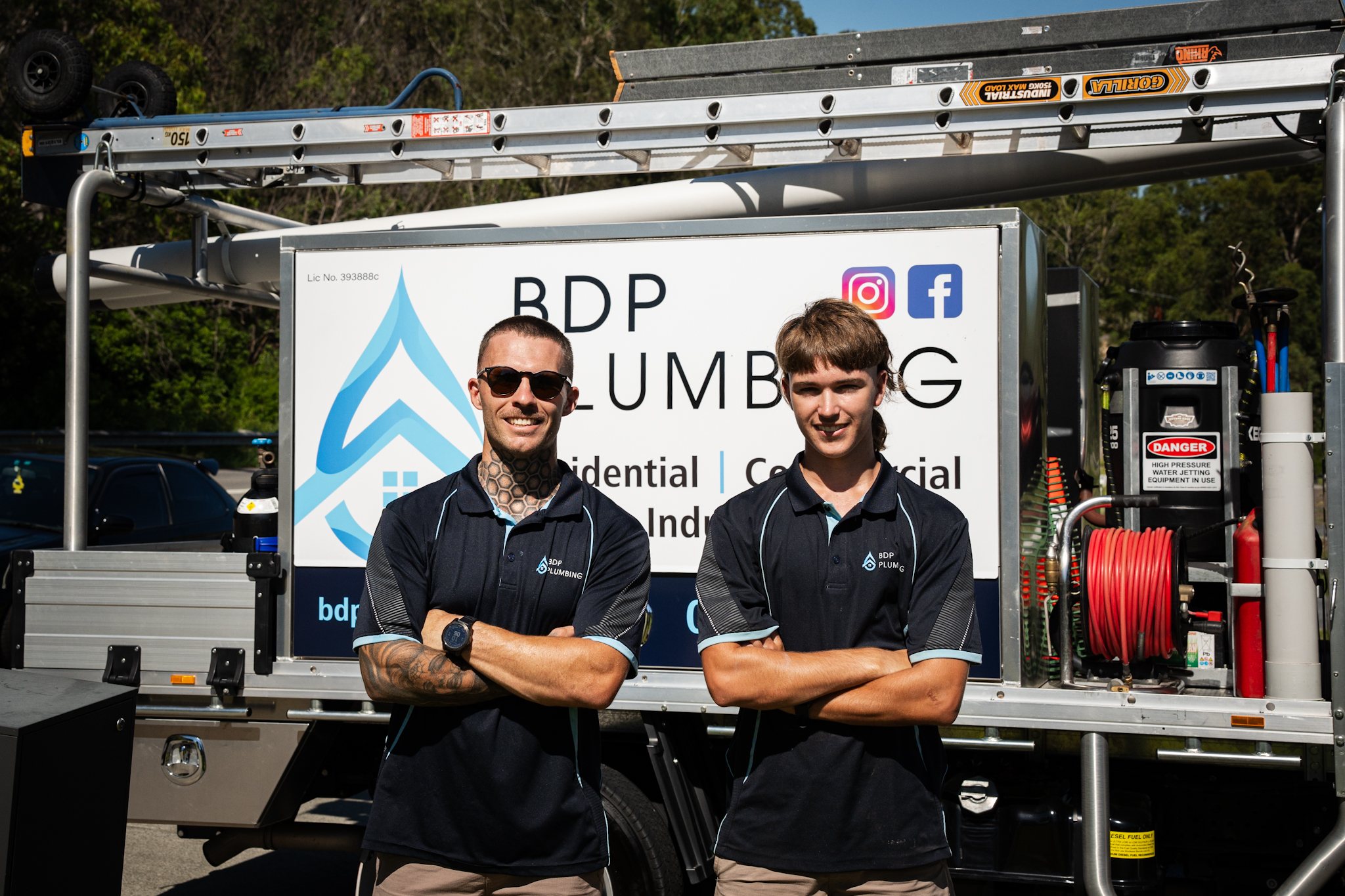
BDP Plumbing services Kurri Kurri and the surrounding Hunter Valley coalfield towns, including Abermain, Heddon Greta, and Aberdare. Whether your Kurri Kurri cottage dates back to the original 1902 town plan or your Heddon Greta home is a newer build on an older street, our licensed plumbers assess your pipework and give you a clear, honest plan forward.
Get Your Pipes Assessed in Kurri Kurri
If your water pressure has been dropping or your taps are running rusty, don’t wait for a burst pipe to force the issue. Call 0404 141 031 or get in touch online to book a pipe condition assessment.
- $0 call-out fee on every job
- Fixed upfront pricing before any work begins
- Same-day service across Kurri Kurri and the Hunter Valley
- Licensed and insured, Master Plumbers Association member
Old pipes don’t fail all at once, but they do keep failing until you replace them.
Frequently Asked Questions
What are galvanised pipes?
Galvanised pipes are steel water pipes coated in a layer of zinc to resist rust. They were the standard plumbing material in Australian homes until roughly the 1960s, after which copper and PVC became more common.
How do I know if my Kurri Kurri home has galvanised pipes?
Homes built before the 1960s, especially original miners’ cottages, are the most likely candidates. Rusty water, falling pressure, and frequent small leaks are common signs, and a simple magnet or scratch test at an exposed pipe section can help confirm the material.
How much does it cost to replace galvanised pipes?
A single section replacement typically costs $300 to $900. A partial repipe of one bathroom or kitchen ranges from $2,000 to $5,000, while a full-house repipe generally runs $8,000 to $20,000 or more, depending on size and access.
Is it dangerous to have galvanised pipes?
Galvanised pipes aren’t an immediate danger, but corrosion increases the risk of leaks, bursts, and reduced water quality over time. Ageing plumbing components can also allow trace amounts of lead to leach into water, according to the Australian Drinking Water Guidelines.
Can I replace galvanised pipes myself?
No. Any work altering water supply pipework in NSW must be carried out by a licensed plumber, and larger jobs may require a Notice of Work and compliance certificate under NSW regulations.
Should I do a partial repipe or replace the whole system?
A partial repipe suits homes where corrosion is isolated to one section, and the rest of the system tests well. Once multiple sections are affected, or the home is 40 to 50 years old or older, a full repipe is usually more cost-effective than repeated partial repairs.
Why do so many homes in Kurri Kurri still have original pipes?
Kurri Kurri was fully planned and built from 1902 to house coal mining families, with much of its original housing stock dating to that era or the following decades of peak production. Many of these homes have never had a full plumbing upgrade, meaning their original galvanised pipework is still in place.