5 Star Service
Low shower water pressure is most commonly caused by a limescale-blocked showerhead, a partially closed isolation valve, corroded galvanised pipes, a faulty pressure limiting valve, or a hot water system fault. The cause determines whether it’s a DIY fix or a licensed plumber job.
BDP Plumbing helps Maitland homeowners diagnose and fix low shower water pressure every week. This guide covers how to isolate the problem, the most common causes, what you can check yourself, why low shower pressure is especially common in Hunter Valley homes, and when to call a licensed plumber.
Is It Your Shower or Your Whole House? How to Isolate the Problem First
Before touching anything, run one test. Turn on every other tap in the house simultaneously and check whether the pressure is normal elsewhere. This single step separates a shower-specific fault from a whole-house or network issue, and it determines who needs to fix it.
Here’s what your answer means for low water pressure in shower diagnosis:
| Symptom | Likely cause | DIY fix? |
| Pressure low in shower only, other taps fine | Clogged showerhead, flow restrictor, or faulty shower valve | Yes: clean or replace showerhead first |
| Hot water pressure low, cold is normal | Hot water system fault, tempering valve, or sediment in HWS | No: licensed plumber |
| Pressure low in one bathroom, others fine | Partially closed isolation valve or localised pipe fault | Check valve first; plumber if not found |
| Low pressure at all fixtures throughout the house | Faulty PRV, whole-system blockage, or mains supply issue | Contact Hunter Water first; then plumber |
| Pressure only low during morning peak hours | Network demand: Hunter Water supply drawdown | Monitor; contact Hunter Water if persistent |
| Pressure dropped suddenly overnight | Suspected hidden leak or burst pipe | Urgent: call a licensed plumber immediately |
| Pressure weak since a recent renovation | Isolation valve not fully reopened or incorrect fitting | Plumber: check valve positions and fittings |
The most common scenario in Maitland homes is the first row. What can cause low water pressure in shower situations like this is usually a showerhead blocked by limescale from Grahamstown water hardness, a flow restrictor, or both. The lack of water pressure in the shower only, with everything else normal, almost always points there first.
The Most Common Causes of Low Shower Water Pressure
What causes low hot water pressure in shower complaints, and what causes general low pressure, are often different problems. Here’s each cause and what it means:
Clogged Showerhead or Flow Restrictor
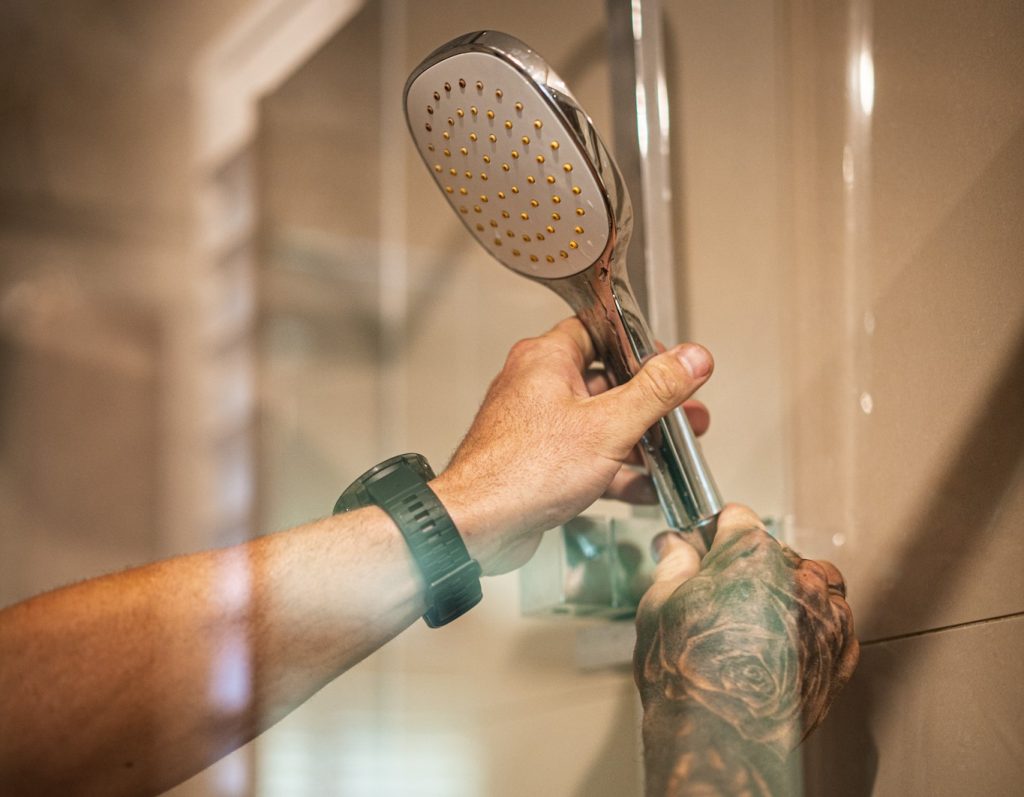
Low water pressure shower head issues are the single most common cause in Maitland and Hunter Valley homes. Grahamstown Water Treatment Plant water has a hardness of 35 to 103 mg/L calcium carbonate, enough to deposit progressive limescale inside showerhead nozzles and flow restrictors over months of use. Showerhead limescale Maitland homeowners deal with is especially common in Metford and Rutherford properties, where the original showerhead has never been replaced or descaled.
Modern water-efficient showerheads have small nozzles that block faster in harder water areas. Uneven spray and blocked nozzles with full pressure everywhere else in the house are the giveaway.
Faulty or Partially Closed Isolation Valve
A partially closed isolation valve on the shower supply line chokes flow before it reaches the outlet. This is common after bathroom renovations when the valve isn’t fully reopened, and in older Rutherford and Metford homes where valves partially seize over time. Low water pressure to shower only, across both hot and cold, is the symptom.
Locate the accessible isolation valve for the shower supply and confirm it’s turned fully anti-clockwise. That alone resolves it in a surprising number of cases.
Low Hot Water Pressure Only
If cold shower pressure is fine but hot water pressure is low, the problem isn’t the shower. How to fix low hot water pressure in shower situations starts with the hot water system: sediment buildup in the storage tank, a failing thermostatic mixing valve, or a degrading pressure relief valve are the usual culprits.
Hot water pressure low shower Maitland plumbers see most in older Tenambit and East Maitland homes where hot water systems are nearing end of life. This is not a DIY repair. Working on hot water systems or tempering valves requires a licensed plumber under NSW plumbing regulations.
Hidden Leak in the Supply Line
A slow leak behind a tiled shower wall or under a bathroom floor diverts water before it reaches the outlet. Pressure loss from a hidden leak is typically gradual. Watch for damp patches on bathroom walls, unexplained water bill increases, or soft grout lines alongside the low pressure. Leak detection Maitland uses acoustic equipment to find the source without unnecessary tile removal.
Whole-House Pressure Issues
If pressure is low everywhere simultaneously, the fault is upstream. Hunter Water low pressure shower and whole-house issues have two main causes: a failing pressure reducing valve on the property, or a temporary mains network issue. Check Hunter Water’s outages page first. If no mains work is listed and every fixture is affected, the PRV is the most likely cause. PRV replacement requires a licensed plumber under AS/NZS 3500.
Why Low Shower Pressure Is More Common in Maitland and Hunter Valley Homes
Shower pressure low Hunter Valley homeowners report is not a generic problem. Three local factors make it more common here than in other markets:
Grahamstown Water Hardness and Limescale
Maitland’s water supply comes from the Grahamstown Water Treatment Plant network. Hunter Water’s own Water Hardness Fact Sheet confirms the hardness ranges from 35 to 103 mg/L calcium carbonate. Even at the lower end, calcium deposits accumulate inside showerhead nozzles, flow restrictors, and TMV internals over time.
A showerhead installed ten years ago in Metford or Rutherford may now be delivering half its rated flow, not because of a plumbing fault, but because of mineral buildup that’s never been cleared.
Ageing Galvanised and Copper Pipework
Homes built across Rutherford, Metford, East Maitland, Tenambit, and Cessnock from the 1960s through the early 1980s were commonly plumbed in galvanised steel. Galvanised steel corrodes from the inside out, progressively narrowing the internal bore and reducing water pressure low in shower and at every connected outlet. The shower is usually the first to show it because it sits at the highest point of the supply run.
Corroded pipes also shed rust particles that block showerhead filters and TMV inlets, compounding the drop. Pipe replacement in any wall-embedded run is a licensed plumber job.
Modern Showers in Older Pipe Systems
Low water pressure on shower systems in newer Thornton and Aberglasslyn homes has a different cause. Rain shower heads and multi-head systems require significantly higher flow rates than a standard rose.
Many are installed in bathrooms supplied by pipe runs originally sized for a single showerhead, and no amount of cleaning fixes a supply line that was never sized for the load. A licensed plumber can assess the supply line and advise on a lasting solution.
Safe Checks You Can Do Before Calling a Plumber
These are the homeowner checks that resolve how to fix low water pressure in shower situations in a meaningful number of cases. Where they don’t fix it, they confirm the cause and save diagnostic time:
- Run the isolation test first. Turn on every other tap and appliance simultaneously. If they all have full pressure and only the shower is weak, the fault is shower-specific. If pressure drops everywhere, the cause is upstream, and a plumber is needed.
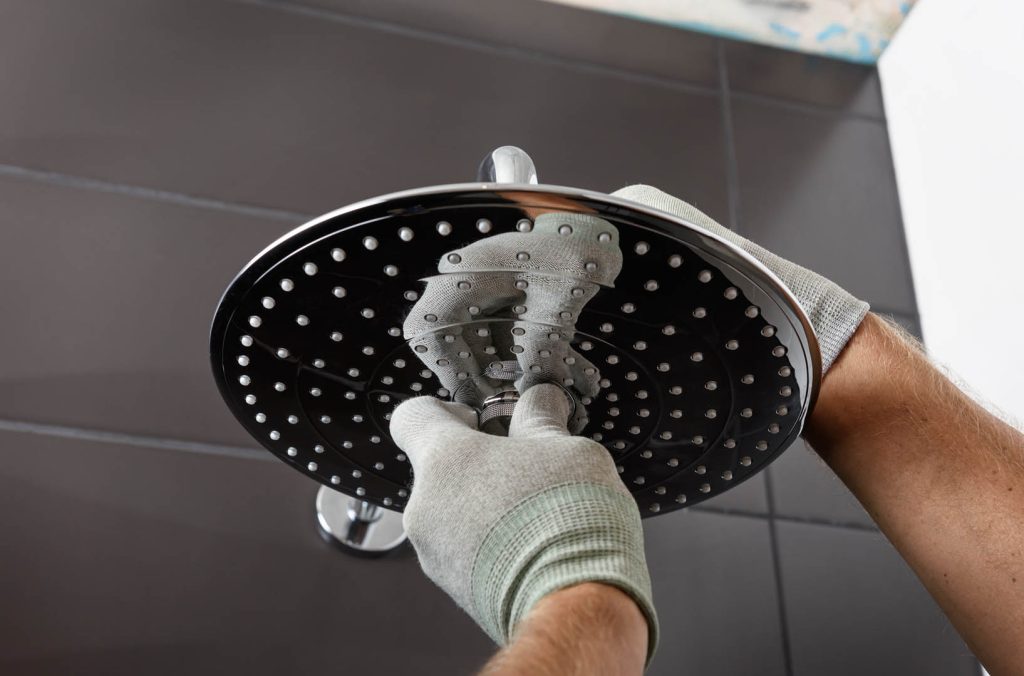
- Remove and soak the showerhead. Unscrew the showerhead, check the internal filter screen for limescale, and soak the head overnight in white vinegar. Scrub nozzles, rinse, and refit. If pressure improves, limescale was the cause.
- Test pressure without the showerhead fitted. Remove the head and turn the water on briefly. Strong pressure without the head confirms the head is the restriction. Weak pressure without the head means the problem is in the wall supply line.
- Remove the flow restrictor. Many modern showerheads have a small plastic restrictor just inside the inlet thread. How to increase low water pressure in the shower output sometimes needs nothing more than removing it with needle-nose pliers. This is the first thing to try in homes with already-low incoming pressure.
- Check the isolation valve. Locate the shower supply isolation valve, usually under a bath panel, behind an access hatch, or in a nearby cupboard. Confirm it’s turned fully anti-clockwise. A valve even slightly closed can halve available pressure.
- Run the bucket test. Place a 10-litre bucket under the shower at full flow and time it. Divide 600 by the number of seconds to get your flow rate in litres per minute. Below 10 LPM confirms low pressure. How to increase water pressure in shower NSW systems to an acceptable level starts with knowing your actual baseline, and 10 LPM gives a licensed plumber a concrete starting point.
When to Call a Licensed Plumber, Not a Hardware Store
Low water pressure from shower outlets that persists after the DIY checks isn’t a showerhead problem. These scenarios require a licensed plumber shower pressure Maitland NSW work:
- Hot water pressure is low but cold is fine. This is a hot water system fault: sediment in the tank, a failing tempering valve, or a degrading pressure relief valve. All require a licensed plumber under NSW plumbing regulations. None of these are safe or legal DIY repairs.
- Pressure dropped suddenly and significantly. Shower water pressure low all of a sudden, especially overnight, often signals a developing leak or burst supply line. Turn off the water at the meter and call an emergency plumber promptly.
- The showerhead and isolation valve checks made no difference. If the head is clean, the flow restrictor is removed, and the valve is fully open, the cause is in the pipework or the pressure regulating system. A licensed plumber tests pressure at the meter versus at the shower outlet to pinpoint the fault.
- You suspect corroded galvanised pipes. Slightly discoloured water when the shower first turns on, or similar pressure loss across multiple fixtures in an older home, points to corroded steel. Pipe assessment and replacement in any wall-embedded run requires a licensed plumber.
- You have a rain shower or multi-head system that’s always been underpowered. If the system never performed correctly from day one, the supply line was likely never sized for the load. Pressure limiting valve shower NSW compliance and supply line sizing both need professional assessment.
- You haven’t had a PRV inspection on a pre-2003 Maitland home. Homes built before 2003 may have no pressure limiting valve at all under AS/NZS 3500 plumbing standards. A failed or absent PRV causes both pressure damage and inconsistent delivery to every fixture. A plumber can test, adjust, or replace it in a single visit.
Low shower pressure that gets ignored tends to get worse. Leanne Harman from Maitland called when hers did, and was back in the shower the same day.
She said: “BDP plumbing were amazing, I phoned them about a pressure issue, and they managed to fit me in between jobs on the day I called. They fixed the problem, noticed another problem inside and offered to fix it while they were here. Highly recommend.” Read Leanne’s full review here.
Areas We Service
BDP Plumbing services Maitland and surrounding areas, including Rutherford, Metford, East Maitland, Thornton, Cessnock, Bolwarra Heights, Tenambit, Lochinvar, Aberglasslyn, and across the Hunter Valley region.
Low Shower Pressure in Maitland? Get It Diagnosed Today
Low shower water pressure Maitland homeowners ignore too long often signals corroded pipework or a developing hidden leak. Catching it early is always cheaper than the alternative.
BDP Plumbing is your licensed and insured plumber for low shower pressure in Maitland and the Hunter Valley. For residential plumbing services including shower pressure diagnosis, PRV inspection, and hot water system repairs, call 0404 141 031. $0 callout fee, same-day service, fixed-price quotes, lifetime labour warranty, and Master Plumbers membership.
Frequently Asked Questions
Why is my shower water pressure low but other taps are fine?
When only the shower has low pressure and everything else is normal, the fault is specific to that outlet. The most common causes are a limescale-blocked showerhead, a flow restrictor choking flow, or a partially closed isolation valve on the shower supply line. Start by removing and soaking the showerhead in white vinegar. This resolves the problem in many Maitland homes.
What causes low hot water pressure in the shower but not cold?
When cold pressure is fine but hot is weak, the problem is in the hot water system, not the showerhead. Common causes are sediment buildup in the storage tank, a failing thermostatic mixing valve, or a degrading pressure relief valve. These require a licensed plumber under NSW plumbing regulations and are not safe DIY repairs.
How do I fix low water pressure in my shower myself?
Start with the isolation test to confirm the fault is shower-specific. Remove and descale the showerhead, check and remove the flow restrictor, and confirm the isolation valve is fully open. If none of these steps improve pressure, the cause is inside the wall supply line and a licensed plumber is needed.
Why has my shower water pressure dropped suddenly?
A sudden, significant pressure drop overnight or between uses often signals a developing leak or burst pipe in the supply line. This is different from the gradual decline caused by limescale buildup. Turn off the water at the meter, check for damp patches near the bathroom wall or floor, and call a licensed plumber promptly.
How do I test my shower water pressure at home?
Place a 10-litre bucket under the shower at full flow and time how long it takes to fill. Divide 600 by the number of seconds to get your flow rate in litres per minute. Below 10 LPM indicates low pressure. The ideal range for Australian homes under AS/NZS 3500 is 300 to 500 kPa, which equates to roughly 10 to 20 LPM at a standard showerhead.
How much does it cost to fix low shower water pressure in Maitland?
Cost depends entirely on the cause. Descaling a showerhead costs nothing but time. Replacing a faulty pressure limiting valve or tempering valve is a modest one-visit job. Identifying and repairing a corroded pipe section is more involved but still straightforward for an experienced plumber. Fixed-price quotes with a $0 callout fee are available.